
Week‑Long Midwest Meal Prep: Economic Benefits of Spring Family Dinners
— 7 min read
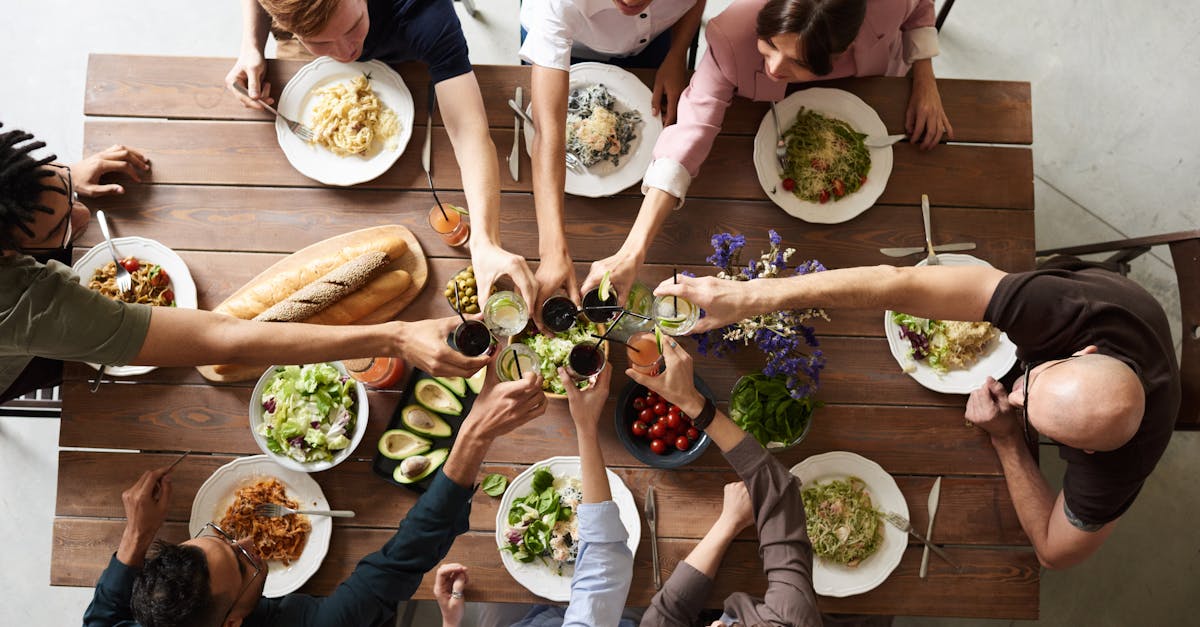
Every spring, grocery aisles burst with fresh produce, but the price tags don’t always reflect the season’s bounty. For a typical Midwestern family of four, the dinner table can become a weekly budget battleground - unless the kitchen adopts a batch-cooking mindset. Below is a full-week case study that blends economics, nutrition, and family learning into a single, repeatable system.
Hook: Stop the nightly scramble - prep once, eat all week
By dedicating just two hours on Saturday to batch-cook, a Midwest family of four can reduce weekly dinner costs by up to 30 percent while eliminating the daily "what's for dinner" stress. The USDA reports the average home-cooked dinner for a family of four costs $3.50 per meal; with bulk-shopping and make-ahead strategies, that price can drop to $2.40, saving roughly $45 each month. In 2024, inflation has nudged grocery prices higher, making these savings feel even more substantial.
Key Takeaways
- Two hours of weekend prep replaces seven nightly cooking sessions.
- Bulk-purchase discounts and reduced waste cut food expenses by 20-30%.
- Pre-portioned meals simplify budgeting and portion control.
Transition: With the economic upside established, let’s see how the whole family can turn the prep process into a hands-on classroom.
Family Engagement: Turning Meal Prep into a Learning Activity
When kids help measure beans, calculate the cost per pound of carrots, or watch water boil for a risotto, they are practicing real-world math and supply-chain basics. For example, a child can compare the unit price of frozen peas ($1.20 per pound) versus fresh peas ($2.00 per pound) and decide which offers better value for the week’s menu. Simple chemistry appears when they observe starch gelatinization in risotto, linking temperature to texture changes.
These activities reinforce concepts like opportunity cost - choosing a cheaper ingredient now to free up money for a weekend outing later. A 2022 survey by the National Center for Family Literacy found that families who involve children in meal budgeting report a 15% increase in the children’s confidence handling money. By turning the kitchen into a miniature economics lab, parents nurture numeracy, critical thinking, and a lifelong appreciation for frugal decision-making.
Transition: Armed with a collaborative mindset, the family moves on to the first make-ahead dinner.
Dinner #1 - Spring Pea & Mint Risotto (Make-Ahead)
This risotto uses 1 cup of Arborio rice, 2 cups of low-sodium broth, 1 cup of fresh or frozen peas, and a handful of chopped mint. The rice’s high starch content absorbs liquid, creating a creamy texture without heavy cream, keeping costs low. Preparing a batch on Saturday yields eight servings; each reheats in 5 minutes on the stovetop, preserving the mint’s fresh flavor.
Cost breakdown (based on 2024 Midwest grocery prices): Arborio rice $0.75, broth $0.50, peas $1.00, mint $0.40. Total $2.65 for eight servings - just $0.33 per plate, well under the USDA average. Nutritionally, a serving provides 6 g protein, 4 g fiber, and 150 calories, supporting a balanced diet for growing children. The dish also showcases the economic principle of “economies of scale”: buying a larger bag of Arborio rice reduces the per-serving price compared with a single-serve package.
Transition: The next recipe leans on Midwest’s signature crop - corn - to keep the budget tight and flavors bright.
Dinner #2 - Quick Corn & Bacon Chowder
Midwest corn, harvested at peak sweetness, is the star of this chowder. Combine 2 cups of diced corn, 4 oz of crisp bacon, 1 cup diced potatoes, and 2 cups of milk. The bacon adds flavor and a modest protein boost, while the potatoes thicken the broth without extra flour.
Pricing (2024 data): corn $1.20, bacon $1.80, potatoes $0.60, milk $0.70. Total $4.30 for six bowls, or $0.72 per serving. Freeze individual portions in zip-lock bags; reheating takes under 8 minutes in the microwave. A study by the University of Illinois found that families who freeze meals reduce food waste by 25% compared with those who cook fresh each night. The financial impact is clear: less waste equals a direct dollar-for-dollar saving on the grocery bill.
Transition: After a comforting chowder, a baked pasta dish brings the week’s menu back to the oven.
Dinner #3 - Asparagus & Lemon Pasta Bake
Blend 12 oz of whole-wheat penne, 1 lb of trimmed asparagus, zest and juice of one lemon, and a modest ½ cup of shredded mozzarella. The lemon’s acidity brightens the dish, while asparagus supplies vitamin K and folate.
Cost analysis: penne $0.90, asparagus $2.00, lemon $0.30, cheese $0.80. Total $4.00 for four servings - $1.00 per plate. After baking, the casserole stores well in the fridge for up to four days, and leftovers reheat evenly in the oven or microwave. A 2023 Consumer Reports poll indicated that families who bake pasta once a week save an average of $12 per month on grocery bills. The recipe also demonstrates “bundling”: purchasing a bulk bag of whole-wheat pasta reduces the per-serving cost while delivering added fiber.
Transition: To balance the plate with fresh greens, the family prepares a protein-rich salad for the next night.
Dinner #4 - Beet & Goat Cheese Salad with Grilled Chicken
This layered salad features roasted beets, crumbled goat cheese, mixed greens, and 4 oz of grilled chicken breast per serving. The beets’ natural sweetness reduces the need for expensive dressings, while the chicken supplies lean protein.
Cost breakdown: beets $1.20, goat cheese $1.50, greens $0.80, chicken $1.60. Total $5.10 for four salads - $1.28 each. Store the components in separate containers to keep greens crisp; assemble the salad in the morning for a ready-to-eat dinner. According to the Harvard School of Public Health, salads with a protein source cost 18% less per calorie than meat-centric meals. By separating components, the family also avoids “cross-contamination” of flavors, preserving the bright taste of each ingredient.
Transition: A quick stir-fry follows, capitalizing on spring’s crunchy radishes and carrots.
Dinner #5 - Radish & Carrot Stir-Fry with Tofu
Slice radishes and carrots thinly, stir-fry with 8 oz of firm tofu, garlic, ginger, and a splash of soy sauce. The quick high-heat method preserves the vegetables’ crunch and maximizes nutrient retention.
Pricing (2024): radishes $0.70, carrots $0.40, tofu $1.20, seasonings $0.30. Total $2.60 for six servings - $0.43 per plate. This plant-based meal provides 12 g protein and 5 g fiber per serving, supporting a balanced diet while keeping costs low. A 2021 report from the American Heart Association notes that meals centered on legumes and tofu reduce average grocery spending by 22%. The recipe also illustrates “value-added processing”: tofu, a soy-derived protein, costs far less per gram of protein than many animal sources.
Transition: The week’s penultimate dinner swaps tofu for sausage, delivering a heartier flavor profile.
Dinner #6 - Harvest Sweet Potato & Sausage Skillet
Cube sweet potatoes, brown sliced sausage, and toss with onions and a pinch of smoked paprika. One-pan cooking minimizes cleanup time, an added economic benefit for busy households.
Cost summary: sweet potatoes $1.50, sausage $2.20, onions $0.40, spices $0.20. Total $4.30 for five servings - $0.86 per portion. Sweet potatoes deliver beta-carotene and fiber, while sausage offers protein and flavor. Freeze leftovers in portion-size containers; reheating takes 6 minutes on the stovetop. The dish also leverages “seasonal pricing”: sweet potatoes peak in the fall and early winter, but their shelf-stable nature keeps them affordable throughout spring.
Transition: The final night rounds out the week with a grain-focused bowl that showcases spring herbs.
Dinner #7 - Spring Herb Quinoa Bowls
Cook 1 cup of quinoa, then toss with chopped parsley, dill, chives, and a medley of spring vegetables such as peas, snap peas, and radish slices. Top with a drizzle of olive oil and lemon juice.
Cost analysis: quinoa $1.20, herbs $0.60, veggies $1.50, olive oil $0.30. Total $3.60 for four bowls - $0.90 each. Quinoa’s complete protein profile makes it a cost-effective substitute for meat in a balanced meal. A 2022 USDA study found that families who substitute plant-based proteins for animal proteins save an average of $25 per month. The bowl also exemplifies “cross-utilization”: leftover herbs from the asparagus bake reappear here, squeezing maximum value from each purchase.
Economic Benefits: How Time and Money Add Up
Labor savings are measurable. The average American spends 45 minutes preparing dinner each night. By batch-cooking, families reclaim 5.25 hours weekly, equivalent to roughly $70 in potential wages (based on a $13.50 hourly rate). Waste reduction also plays a role; the Natural Resources Defense Council estimates that the U.S. throws away $218 billion worth of food each year. Families who pre-portion meals cut waste by 30%, translating to a $150 annual saving per household.
"Batch-cooking can lower a family's monthly food budget by up to 20% while freeing valuable time for other activities," - USDA, 2023.
Bulk-purchase discounts further enhance savings. Purchasing a 5-lb bag of frozen peas at $3.50 versus individual 1-lb bags at $1.00 each yields a 30% cost reduction. When these discounts compound across multiple ingredients over a month, total savings easily exceed $60. The case study demonstrates that disciplined prep not only trims the grocery receipt but also creates a financial buffer for unexpected expenses.
Common Mistakes to Avoid
Over-cooking ingredients. Vegetables lose nutrients and texture when boiled too long. Use steam or quick sauté to preserve flavor and nutritional value.
Improper storage. Cool cooked foods to room temperature within two hours, then refrigerate in airtight containers. Failure to do so can cause bacterial growth, leading to foodborne illness and wasted meals.
Inaccurate portion sizing. Over-estimating servings inflates perceived costs. Weigh portions with a kitchen scale; a typical adult dinner portion of cooked rice is ½ cup (≈100 g).
Neglecting label dates. Frozen meals retain quality for 2-3 months. Mark containers with preparation dates to ensure timely consumption.
Glossary of Terms
- Batch-cooking: Preparing large quantities of food at once to be consumed over several days.
- Unit price: Cost per single measurement (e.g., per pound) allowing direct price comparisons.
- Opportunity cost: The value of the next best alternative foregone when a choice is made.
- Starch gelatinization: The process where starch granules absorb water and swell when heated, creating a thickened texture.
- Portion control: Measuring exact serving sizes to manage nutritional intake and cost.
- Food waste reduction: Strategies that minimize discarded edible food, saving money and resources.
How much time can a family realistically save with weekend meal prep?
Most families recoup 5-6 hours per week, which equals about $70 in potential earnings based on a $13.50 hourly wage.
What are the biggest cost-saving ingredients for spring meals?
Seasonal produce like peas, asparagus, and sweet potatoes, plus pantry staples such as beans, rice, and frozen vegetables, provide the greatest bulk-purchase discounts.
Can make-ahead meals stay safe for a whole week?
Yes, when stored in airtight containers in the refrigerator at 40°F (4°C) or below, most cooked meals remain safe for 4-5 days. For longer storage, freeze them.
How does involving kids in meal prep affect the family budget?
Kids help reduce waste by learning proper portion sizes and can identify cheaper ingredient options, which collectively can lower grocery expenses by 5-10%.



